When Do You Need a Root Canal for Dental Trauma?
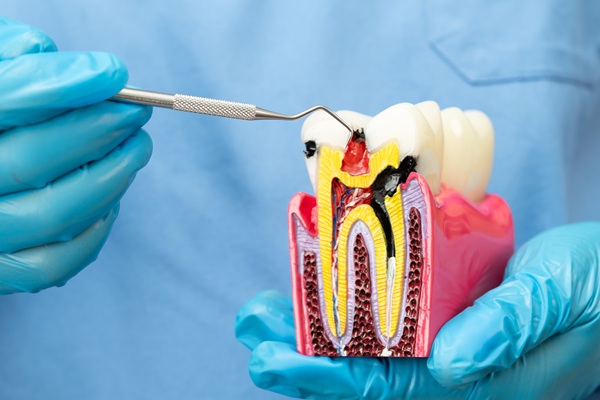
Dental trauma affects teeth, gums, and supporting bone. Swift evaluation by an endodontist determines whether a root canal offers the best path to preserve comfort and function. These dental specialists focus on preserving natural teeth with precise diagnostics and timely treatment after accidents at home, sports collisions, or unexpected falls. Their mission is to preserve as much of the natural tooth as possible for a healthy smile.
When dental trauma threatens the pulp
Dental trauma can range from small enamel chips to deep cracks, intrusions, and avulsions (knocked-out teeth). Each pattern of damage can affect the pulp, the living tissue inside a tooth. For instance, blunt force can disrupt blood flow inside the tooth and trigger inflammation. Alternatively, micro-fractures allow bacteria to reach the pulp. Thus, even when a tooth appears normal after an impact, the nerve may have sustained a hidden injury.
Endodontists work quickly to minimize the effect of a compromised pulp. A root canal is often the solution, but not always. Treatment starts with a clear diagnosis, which guides the decision to monitor, stabilize, or treat the tooth.
Red-flag symptoms after dental trauma
Some signs suggest that the pulp has deteriorated and requires immediate intervention. Examples include persistent temperature sensitivity that lingers after the stimulus fades, spontaneous pain, or tenderness to biting pressure. Darkening of the crown, swelling near the gumline, or a pimple-like fistula may also be signs of infection. Less commonly, teeth that feel high when chewing may indicate injury to the supporting tooth structures (traumatic occlusion) or evolving abscesses. When any of these symptoms accompany dental trauma, visit an endodontist as soon as possible.
When do you need a root canal for dental trauma?
Root canal therapy is the right choice when diagnostic testing confirms pulp death, infection, or irreversible inflammation after an injury. Signs include lingering temperature pain, spontaneous throbbing, swelling, or radiographic bone changes. When these patterns appear, endodontists act decisively to save the tooth and protect the surrounding bone and gums. Examples of dental trauma that typically need endodontic treatment include:
- Injuries that affect how the tooth sits in the socket, including being pushed into the jawbone
- Deep fractures or large broken segments that expose inner tooth layers
- Avulsed (knocked out) teeth
For all of the above, root canal therapy removes the inflamed or infected pulp, disinfects the canal system, and seals the space. This approach prevents bacterial spread and sets the stage for durable restoration, usually a dental crown. It is also the most effective way to relieve pain related to the dental trauma.
The role of the dental restoration
A root canal solves the internal infection, but the final restoration protects the tooth structure from future fractures. It also reinforces the seal against reinfection. Back teeth often need full-coverage crowns to withstand chewing forces; front teeth may benefit from bonded restorations that preserve enamel while restoring aesthetics. Thus, the patient can receive a restoration that looks and feels natural, blending with the rest of the smile.
Access effective treatment after dental trauma
Do not delay care after dental trauma, especially if you are experiencing pain, discoloration, swelling, or sensitivity while biting down. Early diagnosis leads to simpler treatment and better health outcomes. Contact our Lone Tree team for more information.
Request an appointment here: https://southdenverendodontics.com or call South Denver Endodontics - Root Canal Specialists at (303) 968-1350 for an appointment in our Lone Tree office.
Check out what others are saying about our dental services on Yelp: Dental Trauma in Lone Tree, CO.
Related Posts
Wondering when you should consult with a root canal specialist? Read on to learn more. Root canals are dental procedures designed to save teeth with severe damage or infection. A root canal specialist will ensure you get the best care for your dental needs.When faced with the following conditions, consulting a root canal specialist as…
Dentists treat patients for tooth pain related to gum disease and cavities, but patients requiring root canals and other surgeries may be referred to an endodontist. These dental specialists perform procedures that remove bacteria, repair damaged teeth, and allow teeth to heal. Rather than replacing teeth, an endodontic surgeon focuses on preserving existing teeth and…
When a root canal fails, a root canal retreatment must happen. Getting a root canal treatment is better than a dental extraction. If an endodontist sees that your tooth still has good bone support and healthy gums under or around it, a root canal can save the tooth. A root canal is a less expensive…
A dental abscess develops when bacteria infect the pulp or surrounding tissues, creating a pocket of pus. As a root canal dentist, an endodontist evaluates these infections promptly because they can spread and threaten tooth and bone health. Recognizing a dental abscess early reduces pain, preserves teeth, and prevents complications.A dental abscess typically starts with…