3 Reasons Why an Emergency Dentist May Perform a Root Canal
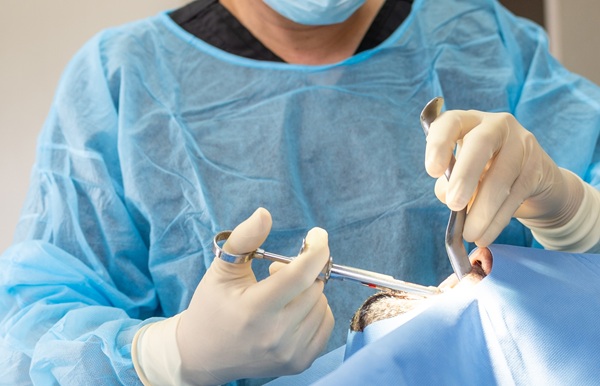
An emergency dentist may recommend a root canal when tooth pain signals a deeper problem inside the tooth. Severe sensitivity, throbbing pressure, or swelling may indicate that the pulp tissue is irritated or infected. When the inner tooth cannot heal on its own, prompt treatment helps relieve pain and protects the surrounding bone and gums. In many urgent cases, a root canal becomes the most predictable way to save the tooth and restore comfort.
3 Reasons an emergency dentist will consider a root canal
1. Deep decay reaches the nerve
Cavities that extend beyond enamel and dentin can irritate the pulp, which contains nerves and blood vessels. Once bacteria move close to or into this space, pain often becomes more intense and more persistent. Chewing pressure and temperature changes can trigger sharp, lingering discomfort. An emergency dentist may advise root canal therapy to remove infected tissue, clean the canals, and seal the tooth to prevent reinfection.
Deep decay can progress without obvious warning until symptoms spike. For instance, a tooth may look normal but still have significant internal damage under an old filling or crown. This is why the emergency dentist will use imaging and physical exams to confirm whether the pulp is inflamed beyond recovery. When the nerve cannot stabilize, a root canal helps stop the source of pain rather than masking it.
2. Dental trauma compromises the pulp
A cracked tooth, blow to the mouth, or sports injury can damage the nerve even when the tooth does not break dramatically. Microcracks can allow bacteria to enter, or the impact can disrupt the blood supply to the pulp, leading to inflammation. Symptoms may include pain on biting, temperature sensitivity, or a feeling that the tooth has an "improper fit" when the mouth is closed. In these situations, an emergency dentist may recommend a root canal to prevent infection and preserve the tooth structure.
Further, trauma-related issues can also show up after an initial observation period. A tooth may feel fine and then develop discoloration, swelling, or spontaneous aching. A root canal removes compromised tissue before infection spreads into the surrounding structures, like the jawbone. Early intervention often improves comfort and reduces the chance of an abscess.
3. Infection creates swelling or an abscess
An abscess can form when bacteria exit the root tip and irritate the surrounding bone and soft tissue. Swelling, a pimple-like bump on the gums, bad taste, or fever may accompany significant pain. Infection can also cause facial swelling or difficulty opening the mouth, both of which signal the need for urgent dental care. A root canal helps by cleaning infected canals and allowing the area to stabilize, which the emergency dentist often pairs with additional measures when swelling is significant. Please note that if swelling is moving toward the eye or making it hard to swallow or breathe, patients should contact emergency services or go to the hospital as soon as possible.
An emergency dentist may also consider drainage or medication support depending on the severity and overall health of the patient. Antibiotics alone do not remove infected pulp tissue and therefore do not replace definitive dental treatment. Root canal therapy addresses the source by eliminating bacteria inside the tooth. This approach helps protect nearby teeth and supports a healthier recovery.
Schedule an appointment
Emergency dentists commonly recommend root canal therapy to address pain at its source while saving the natural tooth. Are you experiencing any of the three conditions mentioned above? Contact South Denver Endodontics - Root Canal Specialists to schedule an emergency dental appointment.
Request an appointment here: https://southdenverendodontics.com or call South Denver Endodontics - Root Canal Specialists at (303) 968-1350 for an appointment in our Lone Tree office.
Check out what others are saying about our dental services on Yelp: Emergency Dentist in Lone Tree, CO.
Related Posts
Root canal therapy can keep your damaged tooth intact. This procedure may scare many people because of its invasive nature. Even so, it can provide immediate relief and prevent tooth loss. Here are some tips to prepare yourself for your upcoming root canal therapy.Research shows that many people do not like to have root canal…
Toothache treatment can relieve pain when decay, infection, or injury affects the inner part of a tooth. A toothache may start as mild sensitivity or become a steady ache that disrupts eating, sleeping, and daily routines. When pain comes from infected tooth pulp, a root canal may help remove the source of discomfort while keeping…
A natural, healthy smile is one of the most important aspects of maintaining oral health and personal confidence. Endodontics offers a way to preserve a natural tooth even when it becomes severely damaged or infected. Typically, an endodontist accomplishes this through root canal therapy. Whether you have been referred by a dental provider or are…
Dental trauma can impact teeth, gums, and supporting bone. The good news is that timely care from a root canal specialist or endodontist helps preserve natural teeth and comfort. Specialized training in diagnosing pain and saving injured teeth positions these dental providers to act quickly and decisively. Clear evaluation, targeted treatment, and careful follow-up form…